Data Governance
28 articles tagged with "Data Governance"

LIME for ML Models: 5-Step Guide
Use LIME to explain single-model predictions: build local samples, fit a weighted surrogate, and verify stability, fidelity, and scope.

Lakehouse Governance for PII: Best Practices
Layered lakehouse PII controls: column tags, catalog-driven masking/ABAC, lineage, audit logs, and automated deletion.
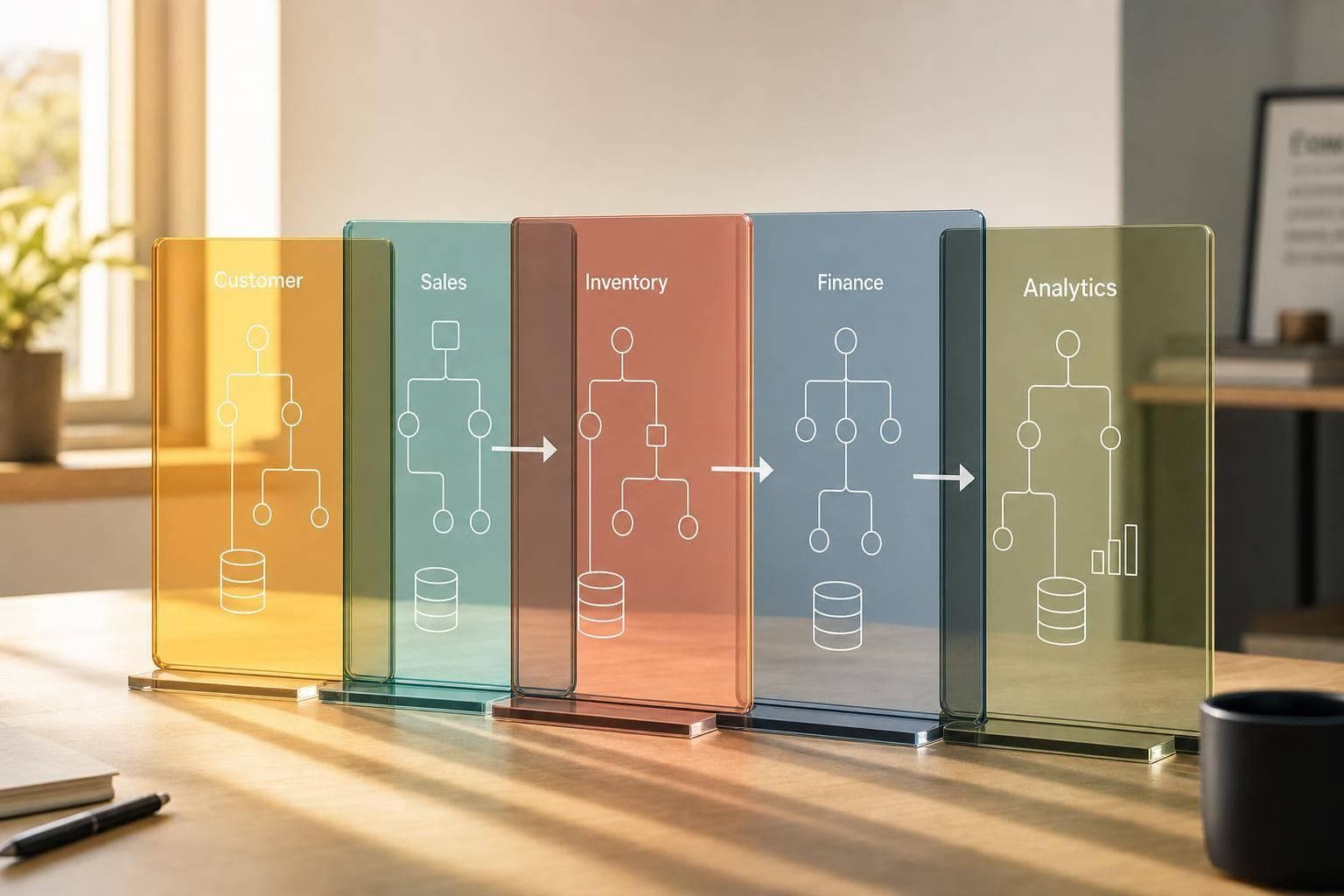
How to Use Context Mapping for Data Architecture
Map bounded contexts, classify relationships, and choose integration patterns to reduce rework, schema drift, and pipeline breakage.

How CQRS Works with Event Sourcing
Commands change state, events record facts, and projections build read models—covers aggregates, snapshots, concurrency, and replay.
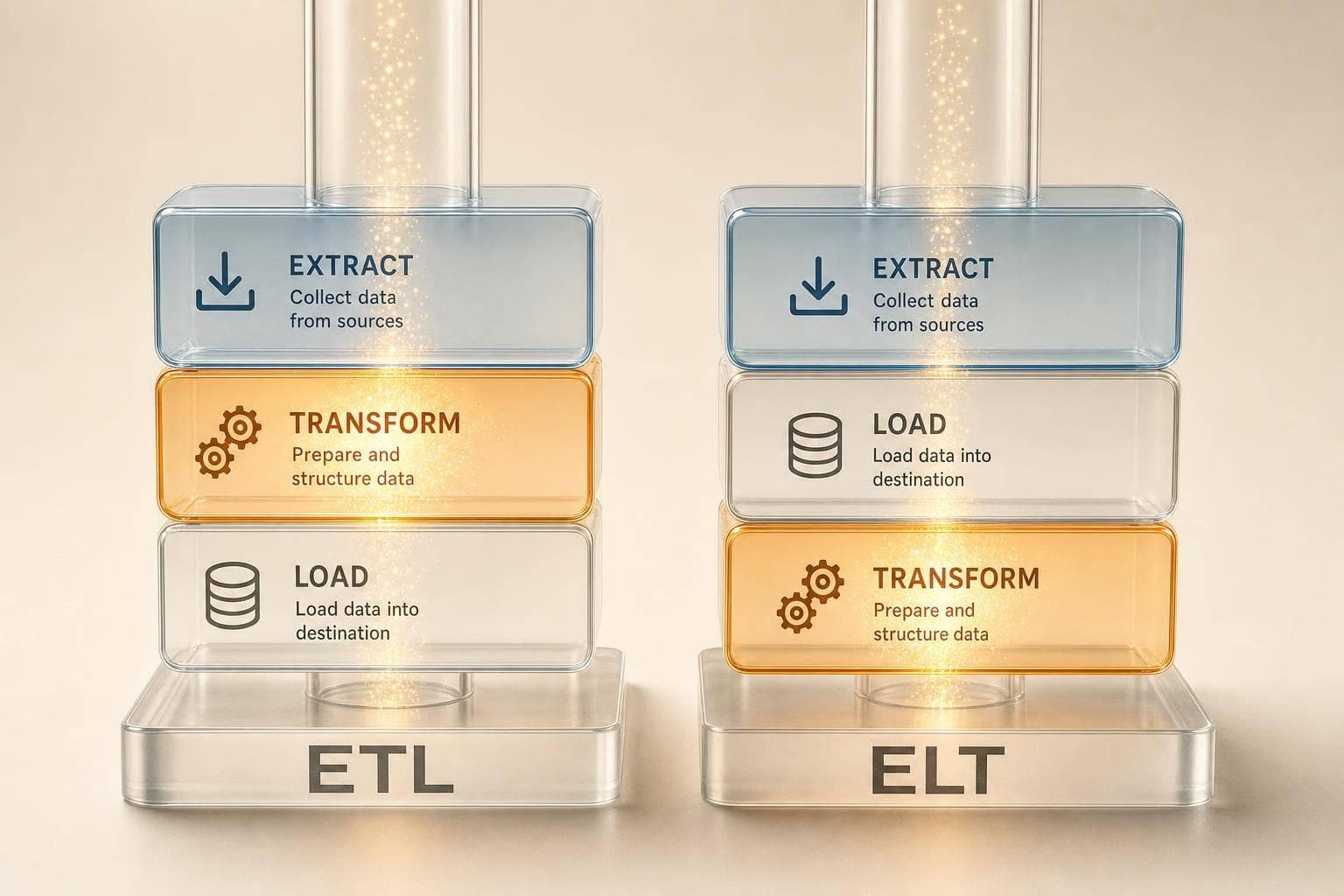
ETL vs ELT: Pros, Cons, and Use Cases
Quickly compare ETL and ELT: when to transform data, plus trade-offs in cost, security, scalability, and use cases.

AWS Data Engineer Practice Questions Explained
Matching AWS services to workload beats memorization—use access pattern, latency, and control to choose S3, Glue, Redshift, or Athena.

Scaling Self-Service Analytics with Databricks
Standardize Gold tables, Unity Catalog metric views, and SQL Warehouses to deliver governed, consistent self-service analytics and BI access.

Top Tools for Data Lakehouse and Data Warehouse
Choose a lakehouse for unified SQL, ML, and streaming - use open formats and governance to avoid lock-in and control costs.

How to Monitor Security in Databricks Lakehouses
Use Unity Catalog, system tables, SAT, and SIEM integrations to monitor lakehouse security, detect threats, and automate response.

Snowflake for Data Retention: Best Practices
Set Time Travel, Fail-safe, storage tiers and lifecycle policies to balance compliance, recovery, and storage cost in Snowflake.

Managing Domain Events in Event-Driven Architectures
Treat domain events as versioned API contracts—design for consumers, use outbox/CDC for reliable delivery, and enforce clear ownership.

Real-Time Ad Campaign Optimization with AI
AI and streaming data enable instant bid, budget, and audience adjustments to cut CPA, boost ROAS, and maintain governance.